
Menopause Information and Support List

ADHD ( Attention deficit hyperactivity disorder)
ADHD ( Attention deficit hyperactivity disorder) is a neurodevelopmental disorder characterised by persistent patterns of inattention, hyperactivity, and impulsivity that can affect daily functioning and development.
Our hormones progesterone, estradiol and testosterone are all important hormones in our brains. When levels of these hormones fluctuate and reduce then this can lead to poor concentration, feeling overwhelmed, being more forgetful and emotionally reactive, and many women also find that everyday life has suddenly become much harder to manage.
I am fairly sure I have ADHD - I have not had a formal diagnosis, and I have never taken ADHD medications. My mind is much more focused and calm. My positve lifestyle really helps - regular exercise, trying not to eat processed foods, drinking water and herbal teas and daily meditation.
ADHD symptoms often worsen during perimenopause and menopause due to declining estrogen levels, which affect brain chemicals critical for focus, memory, and emotional regulation.
How Menopause Affects ADHD
During perimenopause and menopause, estrogen levels decline, which can significantly impact neurotransmitters such as dopamine and serotonin that regulate attention, executive function, and mood Women with ADHD may notice increased inattention, disorganisation, memory issues, and difficulty managing time during this transition.
Some women may even receive their first ADHD diagnosis during menopause, as previously mild or undiagnosed symptoms become more pronounced.
Symptom Overlap
Menopause and ADHD share overlapping symptoms, including:
Cognitive difficulties: forgetfulness, brain fog, and trouble concentrating
Emotional dysregulation: mood swings, anxiety, and irritability
Sleep disturbances: insomnia or disrupted sleep patterns
Executive function challenges: planning, prioritising, and time management issues
This overlap can make it difficult to distinguish whether symptoms are due to ADHD, menopause, or both.
Timing and Severity
Research indicates that women with ADHD may experience perimenopause symptoms earlier and more severely, often between ages 35 and 44. Symptoms tend to peak during this period but may improve after age 60.
Additionally, life stressors common in midlife - such as career pressures, caregiving responsibilities, or family changes - can exacerbate ADHD symptoms.
Managing ADHD during menopause may involve a combination of approaches:
Medication adjustments: Stimulant or non-stimulant ADHD medications may need dose modifications as hormone levels change
Hormone therapy: Estrogen replacement therapy may help improve cognitive and emotional symptoms in some women WebMD+1.
Lifestyle modifications: Regular exercise, structured routines, sleep hygiene, and stress management can support executive function and mood ADDA - Attention Deficit Disorder Association.
Therapy and coaching: Cognitive-behavioral therapy (CBT) or ADHD coaching can help with organization, time management, and coping strategies.
Declining estrogen during perimenopause and menopause can worsen ADHD symptoms by affecting dopamine and serotonin regulation.
Women with ADHD may experience earlier and more severe menopausal symptoms, and symptom overlap can complicate diagnosis and management
A combination of medical, hormonal, and lifestyle interventions can help manage symptoms and improve quality of life.
Understanding the interaction between menopause and ADHD is crucial for women navigating this life stage, and consulting healthcare professionals can help tailor effective treatment strategies.
Dr Helen Wall book Menopause and ADHD Menopause and ADHD: How to navigate hormone flux and neurodivergence - is highly recommended and empowering.

Aches and pains
Many women start to get aches and pains in their joints, and this is sometimes misdiagnosed as arthritis. To make matters worse, these symptoms can leave us feeling less than enthusiastic about exercise, which means we lose muscle mass and condition, and can put on weight.
Loss of oestrogen can affect joints and the connective tissue that 'glues' your skeleton together. This can result in general muscle aches, pains and stiffness.

Anxiety and Menopause
Anxiety during menopause is a common experience, often linked to hormonal fluctuations that affect mood and mental health.
Amidst the myriad of symptoms that come with menopause, anxiety is common for many women. While occasional anxiety is a part of life, menopausal anxiety can be an entirely different beast.
This certainly has been the case for me. I have always had phases where anxiety featured a more significant presence, but it was always manageable. In the past 5 years or so, things have been drastically different. I've had to make substantial changes to regain control and balance in my life.
I've consciously chosen to limit caffeine and alcohol, meditate, and use yoga and various breathing techniques in varying amounts. These tools have made a tangible difference in my everyday life, helping me manage and control my menopausal anxiety.

Aromatherapy
Aromatherapy is a holistic healing practice that uses essential oils to enhance physical and psychological well-being, though scientific evidence on its effectiveness is limited.
When thoughtfully used, essential oils can provide relief for symptoms and make for a more balanced, harmonious experience of the journey through menopause
Peppermint - for hot flashes. Peppermint is cooling and can provide relief for hot flashes. Add a few drops of oil to a damp, cold cloth and apply it to the neck, forehead, wrists
Clary Sage & Geranium - for balancing the hormones. Both are believed to have hormone regulating properties. Try adding a few drops to a diffuser
Lavender - for relaxing. Its calming properties can help reduce the stress and anxiety that often comes with menopause. Try adding a few drops to a warm bath before bed (add a few drops to a bath oil or shower gel and agitate the water to disperse)
A favourite massage blend of mine to help with menopause relief is clary sage, lavender, bergamot, ylang ylang & geranium

Brain Fog
Have you found yourself struggling to think of the right word. walking into a room and forgetting why or repeatedly losing things? However able to remember every lyric of an eighties song-I have constantly ! It might be menopause brain fog!
It’s probably one of the most annoying and frightening symptoms, because it’s natural to think that dementia is setting in.
Menopause brain fog can have a huge impact on performance at work too, and many women won’t discuss it with their manager in case they’re thought incapable of doing their job.
The dropping oestrogen levels that are behind so many menopause symptoms affect brain function too. Lots of us start to experience brain fog, memory issues, and difficulty with remembering words and names.
Menopausal women think they have early dementia, and getting stressed and anxious about these symptoms can make some of us fear that we can’t carry on at work or in other vital areas of life.

Cognitive Behaviour Therapy
Cognitive behaviour therapy (CBT) is a brief, non-medical approach that can be helpful for a range of health problems, including anxiety and stress, depressed mood, hot flushes and night sweats, sleep problems and fatigue.
CBT helps people to develop practical ways of managing problems and provides new coping skills and useful strategies. For this reason, it can be a helpful approach to try because the skills can be applied to different problems and can improve wellbeing in general. It can be used as a strategy on its own or alongside hormone replacement therapy (HRT)

Complementary and alternative therapies
Complementary and alternative therapies for menopause include dietary supplements, lifestyle changes, and mind-body practices that may help alleviate symptoms like hot flushes and mood changes.
Overview of Therapies
Dietary Supplements: Phytoestrogens: Found in foods like soybeans, lentils, and flaxseed, phytoestrogens may have weak estrogen-like effects. However, their effectiveness in relieving menopause symptoms is not well established
Herbs and Supplements: Some supplements like Ashwagandha, St. John’s wort, and L-theanine may help with symptoms such as hot flushes and mood changes, but scientific evidence varies. It's important to consult a healthcare professional before trying any supplements, as they can interact with medications and may have side effects.
Mind-Body Practices: Yoga and Tai Chi: These practices can improve physical strength and balance, potentially alleviating some menopause symptoms. They may be as effective as other forms of exercise
Meditation and Hypnosis: These techniques may help reduce the frequency and severity of hot flashes and improve overall well-being
Acupuncture: Some studies suggest that acupuncture may help reduce hot flashes, although more research is needed to confirm its effectiveness compared to other treatments
Cognitive Behavioral Therapy (CBT): CBT can help manage the psychological aspects of menopause, such as mood swings and anxiety, by changing negative thought patterns
Lifestyle Changes
Balanced Diet: A diet rich in calcium and vitamin D is essential for bone health during menopause. Foods like dairy products, leafy greens, and fortified foods can help
Regular Exercise: Engaging in regular physical activity can help manage weight, improve mood, and reduce the risk of osteoporosis .
Avoiding Triggers: Limiting caffeine, alcohol, and spicy foods may help reduce hot flashes and night sweats
Safety and Considerations
While many complementary and alternative therapies can be beneficial, it's crucial to approach them with caution. The effectiveness of many supplements is not well-supported by scientific evidence, and some may pose risks, especially for individuals with certain health conditions. Always consult with a healthcare provider before starting any new treatment or supplement regimen to ensure safety and appropriateness for your individual health needs
By exploring these therapies, individuals experiencing menopause can find a combination of approaches that may help alleviate their symptoms and improve their quality of life.

Depression
You might feel generally low, lethargic and have little interest in activities you would usually love.
Many women struggle on for years and, as with anxiety, thinking they are depressed or unhappy in their life, not realising that menopause could be the root of the problem. The menopause can also increase the likelihood of depression if you’ve had it before.
Some women may give up jobs or relationships, thinking they’re the cause rather than the result of being impacted by the effects of low oestrogen in the brain. They may start taking antidepressants, but HRT may be more effective.
If you need help with depression, mental health charity MIND is a great place to start. Also Midfullness and Mediation.

Diet and Sweet cravings
Understanding Menopause: The True Meaning Behind Sweet Cravings
Riding the waves of menopause, numerous women find themselves grappling with powerful cravings. It's a common misconception that overcoming these urges is simply a matter of willpower. Time and time again, I see a look of surprise mixed with relief when I share that cravings go much deeper than self-control. No longer do you need to feel foolish or defeated.
These cravings? They're your body's communication, signalling vital needs in these transformative years.
Let's interpret what your body might actually be saying:
1. Stress: The upheaval of menopause can escalate stress, which might lead your body to crave quick-fix, feel-good foods for a dopamine surge. Techniques to reduce stress, such as yoga, deep breathing, or mindfulness, are not just beneficial; they're necessary.
2. Nutrient Deficits: A diet rich and varied in essential nutrients plays a pivotal role. Even though the link between cravings and nutrient deficiencies is a topic of debate, a nourishing diet loaded with vitamins, minerals, protein, and fibre could be the secret to curbing those spontaneous snack sessions.
3. Blood Sugar Swings: The hormonal tide of menopause may cause more erratic blood sugar levels, hence the sugar cravings. Opt for meals that balance proteins, fats, and complex carbs for a more even keel on your blood sugar.
4. Emotional Eating: It's not uncommon for emotional eating to surge during menopause. Distinguishing true hunger from emotional voids like boredom, sadness, or anxiety can be a crucial step in interrupting this pattern.
5. Routine Snacking: Habitual snacking can blur the lines of hunger. Assessing and adjusting your eating patterns might be a strategic move in mastering your cravings.
6. Sleep Disruptions: Menopause often brings with it sleep disturbances, which can then throw off hunger hormones, leading to cravings. Prioritizing good sleep hygiene and avoiding late-night snacking is fundamental.
7. Thirst vs. Hunger: Sometimes, what feels like hunger is actually dehydration in disguise. Before giving in to a craving, try hydrating to see if it quenches more than just your thirst.
Mindfulness and informed nutrition choices are acts of self-care that nourish both body and mind through menopause.
From my professional standpoint, grasping these subtle messages is crucial not just for weight management but for achieving emotional equilibrium and wellness.
Struggling with cravings isn't about lacking willpower—it's about listening and understanding.

Exercise
Menopause is a natural part of life. During this time, hormonal changes can affect your body. You might notice changes to your bones, muscles, heart health, mood, weight, sleep, or memory.The good news is that regular movement is one of the most effective ways to support your health and manage menopause symptoms. You don’t need expensive equipment or intense workouts. Small, regular steps can make a difference.Whether it’s walking, lifting weights, joining a group class, dancing, or practising yoga, moving your body can help you feel stronger, clearer, and more in control.
Strength activities like lifting weights, using resistance bands, or bodyweight exercises (like squats or push-ups) can help keep muscles strong. It can also support balance. It is important to have a healthy heart
Oestrogen helps protect the heart. When levels fall, your risk of heart disease increases. Heart disease is one of the leading causes of illness after menopause.Regular movement helps by:
It is important to lower blood pressure and improve cholesterol
Strengthen your circulation and heart function
You don’t have to do intense exercise. Brisk walking, cycling, swimming, or dancing can all help your heart.Managing weight and energy
Many find it harder to manage their weight during and after menopause. This can be because the body burns energy more slowly and stores fat around the tummy.Moving your body helps by:Keeping muscles strong so your body burns more energy
Supporting digestion and energy levels
Helping manage weight when combined with good sleep, healthy eating, and drinking less alcohol
Even everyday activities – like walking to the shops or doing housework or gardening – make a difference.
Boosting mood, reducing stress, sleeping better
Menopause can bring mood changes, anxiety, and low energy. Moving your body helps your brain by releasing endorphins — natural “feel-good” chemicals. This can help lift your mood and reduce stress.Gentle activities like yoga, tai chi, or Pilates can help you relax.
Walking or group exercise provides structure and a mental break.
Moving regularly can help you sleep better.
Helping with brain fog
Some people find it harder to think clearly during menopause. They may forget things or feel mentally tired. Movement can help your brain by:Improving blood flow through activities like walking, cycling or swimming.
Reducing stress with strength and balance exercises.
Mixing movement with calm activities, like yoga or tai chi, to ease mental tiredness.
Better sleep and mood from regular movement also help you think more clearly.
Looking after your pelvic floor
The pelvic floor is a group of muscles that support your bladder and bowel. These muscles can weaken before and after menopause. This may lead to urine leaks or accidents.You can do pelvic floor exercises (also called Kegels) anywhere. They are quick and simple. These exercises work best when you also do other strength activities.If you’re not sure how to start, seek support from your healthcare professional. They may recommend a women’s health physiotherapist who can guide you.Find out more about menopause and urine incontinence.The social side of movement
Exercise is not just about physical health. It can also bring emotional and social benefits. Women who join walking groups, dance classes, golf clubs, or group exercise sessions often say they feel less isolated and more motivated.Cultural and personal preferences matter too. Some women may prefer: Women-only classes or gyms for comfort and privacy
At-home routines such as online videos, fitness apps, or simple stretches
Activities that fit daily life — like walking with a friend, dancing at home, or stretching after exercise
Movement for everyone
If you live with a health condition or disability, movement can still work for you. Seated exercises, chair yoga, stretchy bands, or assisted movement can help build strength and confidence. What matters most is finding something that feels safe, comfortable, and enjoyable for you.
Things to consider before you start
It’s never too late to start moving. Small steps bring big benefits. Try to do something eveyday,whether its walking
If you are new to exercise, have long-term health conditions, or are unsure what’s safe, speak with your health professional first.
Regular habits matter more than doing hard workouts. Start slowly and build up.
Summary
Regular movement during menopause supports your whole body and mind. It helps keep bones and muscles strong, protects your heart, supports health weight, lifts your mood, and helps your brain work well. It can also support your pelvic floor and confidence.You don’t have to do everything at once. Choose activities that fit your life, your culture, and your body. Every bit of movement counts. Small, steady steps can help you feel stronger, healthier, and more in control during and after menopause.

Exhaustion
Declining levels of estrogen and progesterone during perimenopause and menopause directly impact energy production.
Fatigue during menopause isn’t just an occasional slump. For many women, it’s a deep, lingering exhaustion that doesn’t lift, no matter how early they go to bed or how many espressos they down at their desk. It’s the kind of tiredness that seeps into every corner of life - work deadlines, family dinners, weekend plans - until even the simplest routines feel heavier than they should.
And it’s not just physical. Energy dips often bring mental fog, where words vanish mid-sentence, or you find yourself staring at a spreadsheet as though it’s written in code. The emotional toll can be just as tough: guilt for snapping at family, frustration at not performing the way you used to, or quiet worry that this might be your new normal. That sense of "pushing through" without really recovering is, from what many patients describe, one of the hardest parts.
But here’s the reassuring part: fatigue during menopause is not permanent, nor is it something you have to accept silently. Once you understand the biological shifts at play - and how lifestyle, medical care, and support networks can help - you can start building energy back in sustainable ways. This isn’t about overhauling your life overnight, but about small, targeted steps that restore vitality and confidence, one day at a time.

Fatigue
Fatigue and tiredness are common symptoms of the menopause. You may find that you feel exhausted and worn out or unable to do what you used to. Fatigue in itself can make you feel low and set up a vicious cycle of lack of energy.
You may not be sleeping, leaving you feeling tired in the day. This might be due to physical symptoms like hot flushes and night sweats, muscle aches and pains and needing to go to the toilet at night.
Stress and anxiety can also keep you awake at night making it difficult to switch off. The menopause hormone changes can also interfere with sleep.

Gut and Bloating
Women during menopause often are bloated or some get a menobelly . I constantly get asked when Im due as look preganant .I call mine " my menopause baby " !
Bloating after menopause can be a common and uncomfortable symptom. It is often caused by hormonal fluctuations, changes in gut function, and slower digestion.

HRT ( Hormone Replacement Therapy )
Hormone replacement therapy (HRT) is a treatment used to help menopause symptoms. It replaces the hormones oestrogen and progesterone, which fall to low levels as you approach the menopause.
HRT replaces hormones that are at low levels because of menopause.
It can help treat physical and mental health symptoms of menopause. It may help on its own, or combined with other treatments like talking therapies.
There are three hormones involved in HRT:
Oestrogen. Our bodies produce less oestrogen as we reach menopause. Replacing this oestrogen can help to treat the physical and mental health effects of menopause. It can also help to keep your bones strong.
Progesterone. Taking oestrogen on its own can thicken the lining of your womb. This can slightly increase the risk of womb cancer. Progesterone protects your womb lining from this and reduces this risk. So if you have a womb, you'll need to take oestrogen with either progesterone or progestogen (medication which produces similar effects to progesterone). This is called combined HRT.
Testosterone. If you're struggling with reduced sex drive, you may be offered testosterone if other treatments haven't worked. It can also improve mood and energy levels. Testosterone isn't a licensed treatment for menopause. But specialist doctors can prescribe it if they think it may help.
HRT can come in a combination of:
Skin patches
Gels or sprays to put on your skin
Implants
Tablets
A coil placed inside your womb
Creams
You may need to try different types and doses of HRT to find what works best for you. And what you need may change over time. Your doctor can help if you want to adjust your treatment.
In England, women taking hormone replacement therapy (HRT) can buy a prescription prepayment certificate (PPC) from the NHS. This gives 12 months’ worth for £19.30. There’s no limit on how many times it can be used to buy HRT, whether gel, tablets or patches. You can renew it each year.
Without one, paying for two items every month, with each costing £9.65, would amount to more than £230 a year.

Hot Flushes and Night Sweats
Hot Flushes : I ve forgotton the number of times I have walked into a room and said is the heating on its hot in here !
If you’re struggling withhot flushes or just feeling permanently overheated thanks to hormonal changes, I promise you’re not the only one.
Many women beyond menopause experience sudden heat, palpitations or dizziness.
Night Sweats : Waking up in a puddle of sweat like you’ve been doing laps in your sleep? If so, you might be dealing with night sweats – a common (and seriously frustrating) symptom of menopause.1 Between tossing off the duvet, midnight pyjama changes and trying to fall back asleep, it can feel like your body’s thermostat is on the blink.
Avoid polyster and wear cotton, bamboo or breathable fabrics or you could wear your birthday suit if you want to !

Information - the three stages of Menopause
Perimenopause
On average, perimenopause lasts 4-8 years, but it can start up to 10 or even 15 years in advance of menopause.
Perimenopause occurs as your finite ovarian reserves are drained, and the amount of oestrogen produced becomes less predictable.
Throughout perimenopause, levels diminish to reach the low levels we see at menopause and beyond.
Menopause
Menopause is defined as the point at which a woman has not had a period for 12 consecutive months.
This is ultimately a singular point in time and often something we only recognise when looking back.
The ‘average’ age of menopause is around 48-52, so symptoms of perimenopause can start in our 30s or 40s.
Post-menopause
After menopause, once your ovarian reserve has been exhausted, there are no more follicles to mature for ovulation.
The ovaries effectively stop functioning. Oestrogen, progesterone and testosterone levels are low, so symptoms tend to be long-standing and progressive over time.

Joint Pain
After menopause, lower oestrogen levels mean your bones can become weaker. This can increase the risk of osteoporosis and fractures. Your muscles also get smaller with age.

Journaling

Lack of Libido
Lack of Libido :
Women cant just switch on sexy .
A recently published survey of women aged between 45 and 65 found that up to 40-50% lose interest in sex as they pass through the perimenopause, menopause and beyond. For some, the desire for sex and the experience of pleasure during sexual intercourse can diminish. There are a few reasons for this:
Drop in hormones with their physical and psychological impact
Vaginal dryness and discomfort
Rise in urine infections after sex
Throw in juggling a busy life along with these menopause symptoms and it’s not surprising that low libido is experienced by many.
But, as ever, it’s important to remember that we all experience the menopause differently and some women say that their menopause improves their sex drive – as children leave home and they have more time for themselves and their relationship.

Meditation
Meditation isn't only for people with shaved heads and orange robes chanting . It can help anyone live a more relaxed and fulfilled life. When you return to the natural presence, which is in each of us, you can find true peace.
Meditation, often used in conjunction with mindfulness, involves focused attention and relaxation techniques to cultivate mental clarity and emotional balance.
Menopause is a time when our mind, body, and emotions need a lot more balance, less anxiety, stress, support and self-care.
Menopause is a time for more self-care, more introspection than extrospection.
Menopause is a time of change, not just to our bodies, but also a time for change in our lifestyle.
Remember, there’s no “perfect” way to meditate. Start small — even one minute is enough — and let your practice grow in a way that feels good for you.
Quick Grounding Tip --if you are feeling overwhelmed - step onto bare grass or soil for just two minutes. Focus entirely on the physical sensation of the earth supporting your weight. Concentrate on your breathing this will help you feel less stressed .

Menopause in the workplace
1 in 4 women consider leaving their jobs because of menopause, and 1 in 10 actually do!
Menopause impacts women’s work: 44% of women said their ability to work had been affected, 61% said that they had lost motivation at work due to their symptoms, and 52% said they had lost confidence.
In the UK, women of menopausal age are the fastest-growing working demographic, yet menopause continues to remain a taboo subject especially in the workplace, whilst women continue to suffer.
It is important that employers understand the impact on their workforce and implement changes to keep the employees .Making sure they break the stigma for every person suffering through menopause at work is stronger than ever.
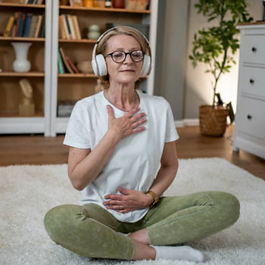
Mindfulness
Mindfulness is a powerful practice that teaches us how to manage stress and panic attacks and helps to keep us calmer and more in control of our emotions and our day-to-day living.
When we are mindful, we are completely aware of what is going on in our immediate world. Noting our thoughts and letting go so we can handle situations more efficiently.
The benefits of practising mindfulness daily are incredibly helpful if you are suffering from any perimenopause or menopause symptoms.
Research conducted over the last few years has shown that mindfulness can be used to treat anxiety and mood swings at this stage in life.
The advantage of using mindfulness as an aid for menopause symptoms is that you can practice it anytime and anywhere.
Once you understand the principles behind mindfulness, you can do the practice on your own without instruction from another person.
It can help in all areas of your life, has many benefits and is completely safe to do.
Mindfulness is a skill.
It requires work like any therapy, and requires practice like any skill. It isn't a shortcut and courses only set the scene, but I find it enjoyable and rewarding. Most of all I find it brings some peace into my life.

Natural Remedies
Herbal remedies
Many women turn to herbal remedies before seeing a doctor for advice. When thinking about herbal remedies, you should consider the fact that the strength and safety are not fully known, that multiple preparation types exist and we don’t know which is the safest or best. And it’s important to know that herbal medicines can interfere with medicines that are prescribed by doctors.
Here’s a quick overview of the key herbal remedies:
Agnus castus – commonly used for PMS. Be aware that it can negatively interact with oral contraceptives and HRT
Black cohosh – studies have shown it can help with hot flushes. It may interact with blood pressure medicines, and you should not take it if you’re sensitive to aspirin or salicylates.
Evening primrose/starflower oil – these contain gamma-Linoleic acid (GLA), an essential fatty acid that helps reduce breast pain and tenderness. Be aware that GLA can increase the chance of seizure for those with epilepsy and can increase the risk of bleeding
Ginkgo biloba – studies have shown it may have beneficial effects on memory and mental performance. Do not take it with anticoagulant drugs like warfarin and aspirin
Lions Mane - excellent for brain,health and function,cognitive clarity and mood stability
Sage – may help relieve hot flushes. This should not be taken by those with high blood pressure
Sea buckthorn oil – contains omega 7 fatty acids and may help with vaginal dryness
St John’s Wort – may be beneficial in treating anxiety and depression. St John’s Wort can make certain medicines less effective. It should not be taken with antidepressants, digoxin, warfarin, anti-asthma drugs, oral contraceptives, migraine drugs, cancer drugs, and HIV drugs. This list isn’t exhaustive – please check with a doctor if you are thinking about taking St John’s Wort
Soya, linseed oils, and red clover are the richest food sources of phytoestrogen, others include:
Cereals – oats, barley, rye, brown rice, couscous, bulgar wheat
Seeds – sunflower, sesame, pumpkin, poppy, flax, and linseed
Pulses and beans – soya, chickpeas, kidney beans, haricot beans, broad beans, and green split peas
Vegetables – red onions, celery, sweet peppers, garlic, broccoli, tomatoes, bean sprouts

Osteoporosis
Osteoporosis is not a symptom, but a longer-term health consequence of low oestrogen levels of the menopause. The hormone plays an important role in bone strength.
HRT is an effective way of preventing this, and it’s why it is so important that younger women in the menopause get the right treatment advice.
Osteopenia is the condition when the bones start to become thinner but are not so thin as to be osteoporotic.
Exercise either by weight bearing excessises or muscle strengthning exercises.
If pain becomes too bad visit a qualified physiotheraphist who will provide help .

Pilates
Menopause is a natural transition that can bring a range of physical and emotional changes.
Pilates offers a gentle yet effective way to support both body and mind during this time. Here are some key benefits of incorporating Pilates into a menopause routine:

Relationships
My ex used to say he wanted the " old me " back however I have now realised that menopause has made a better me
You are not losing yourself, you are creating a new version of you.
Like a chrysalis turning into a butterfly .
Relaxation
Menopause relaxation techniques can help manage daily stress while navigating the physical and emotional changes of menopause.
Deep breathing, guided imagery, yoga, and meditation may help slow the body’s stress response and promote a sense of calm.
Menopause can feel like a rollercoaster, and stress can make the ride even bumpier. When you’re dealing with hot flashes, mood swings, and other symptoms, the last thing you need is more stress piling on. That’s why it’s crucial to learn how to kick back and relax.
Stress not only makes the stages of menopause harder but can also trigger or worsen symptoms like night sweats and irritability. Relaxation isn’t just a luxury; it’s a necessity. Finding ways to chill out can make a huge difference in how you feel day-to-day. Plus, it helps your body and mind stay in sync.

Style and Confidence
Style and Confidence: The link between menopause and body confidence may not be immediately obvious, largely because it’s often the result of several symptoms coming together.
Anxiety, mood swings, low mood, brain fog, and issues with memory retention can all contribute to self-doubt about performance, both personally and professionally. Even women who were previously confident and independent can sometimes find themselves feeling more fearful or experiencing a loss of control.
Add physical changes to the mix – such as weight gain, skin changes, and hair loss – and it soon becomes easier to see how menopause can affect confidence levels.
Plus, since many women gain confidence from having sex and feeling desired, falling estrogen levels and a loss of interest in sex caused by menopause can also affect how sexy or feminine you feel.
As a result, it’s not unusual for women going through menopause to feel stuck, confused, or overwhelmed by what to wear. And when mood and confidence are low, understandably, the easier option is to dress in ways that hide your figure, rather than flatter it.
Our sense of style can significantly impact how comfortable we feel interacting with others and putting ourselves out there in the world. And many believe that what you wear is an extension of your inner self; a way to demonstrate who you are and to express your personality. So, it makes sense that if we’re hiding our bodies, we may begin to hide other parts of ourselves, too, and shy away from new opportunities.
All of this can lead to self-criticism about how we look, feel, dress, and cope with life, which can further affect confidence over time.
For some people, menopause may also coincide with significant lifestyle changes such as retirement, starting a new job, becoming a widow, dating again, or adjusting to an empty nest. These can affect your sense of identity and assurance, too, not just about who you are, but about what your personal clothing style is.

Supplements
Do I need to take supplements during menopause?
Discussing the maze of menopause and supplements. Did you know the term 'menowashing'? It's when products are pushed toward us, promising menopausal relief without real backing.
Truth bomb: Menopause is unique for each of us. There's no one-size-fits-all.
While I strongly believe in the "food first" principle, I recognize that our fast-paced lives sometimes need an extra boost. This depends on YOUR needs; it might be a digestive aid, a multivitamin, or a touch of magnesium. Remember, during menopause; our bodies zip through nutrients so swiftly.
However, QUALITY is key! We want supplements that our bodies can truly use, not just ones that whizz straight through without any benefits.
Ever tried herbal remedies? While there's a mix of research out there, countless women swear by their effects.
And yes, depending on what is happening in my world, I take an assortment on and off.
Always prioritise your well-being and seek expert advice. Don't just take everything and anything; that rarely works and can be detrimental to your health
Weight Gain
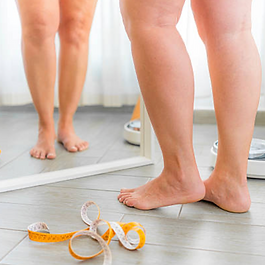
Weight gain is another common issue in the menopause. The causes are complex – it’s not all about hormones, genetic factors can be important too.
Many women find that fat is redistributed to their middle area, so you may feel that you have gained weight, but it’s actually a change of shape as you turn from a ‘pear’ to an ‘apple.’ You are also more prone to lose muscle in the menopause – particularly if you stop exercising – meaning you need fewer calories than you did before.
The "Menobelly" is caused by an increase in cortisol also called the "stress " hormone . I have sometimes been asked when the baby is due but have been in post menopause for over three years this would be miracle !
On top of all this, it’s easy to start eating and snacking for emotional reasons. Some women also drink more alcohol– which is full of empty calories – in the menopause do what works for you try to sleep or to deal with what is causing the stress.

Wellbeing and Wellness
Wellbeing:
Menopause can affect emotional wellbeing,sleep , cognition and physical health.
The midlife years can feel like a profound undoing of everything it means to ‘feel you.’ The symptoms of menopause, the emotional toll of burnout, and the nagging question of ‘what’s next?’ can leave you feeling lost and disconnected from yourself.
Wellness:

Yoga
Yoga can help manage menopause symptoms by reducing hot flushes, improving sleep, supporting emotional balance, and maintaining physical health.
Yoga can help manage menopausal symptoms, improve physical and mental health, and support overall well-being during perimenopause and post-menopause.
Benefits of Yoga During Menopause
Yoga offers a holistic approach to managing menopause by addressing both physical and psychological symptoms. Regular practice can:
Reduce stress and improve sleep, helping to counteract insomnia and fatigue
Relieve menopausal symptoms such as hot flushes, night sweats, joint and muscle aches
Support emotional balance, reducing anxiety, low mood, and irritability
Enhance physical health, including muscle strength, bone density, flexibility, balance, and cardiovascular health, which is particularly important as estrogen levels decline
Boost self-esteem and positive thinking, encouraging healthier lifestyle choices in nutrition, exercise, and relationships.
Yoga is most effective when integrated into a holistic health plan that may include nutrition, lifestyle adjustments, and medical guidance,including hormone replacement therapy if appropriate